
Political Push for Consumption Tax Reform
Barisan Nasional chairman Datuk Seri Ahmad Zahid Hamidi announced that his coalition would immediately bring back the Goods and Services Tax if it wins the next general election. Speaking at the fourth general assembly of the 30th MCA central delegates at Wisma MCA on Sunday, November 22, 2026, the Deputy Prime Minister argued that a multi-stage consumption tax is fairer and more targeted than the Sales and Service Tax currently used in Malaysia. He stated that more than 170 countries have adopted the system, leaving Malaysia behind.
Conteúdo
The current tax framework includes the Sales and Service Tax, which applies a sales tax of 10 percent on most taxable goods and 5 percent on selected goods, alongside a service tax of 8 percent on most taxable services and 6 percent on selected services. Prime Minister Anwar Ibrahim previously noted that the government is studying potential system improvements, including elements of the consumption tax, but set a benchmark requiring average minimum incomes to reach RM4,000 before considering a full return to the multi-stage tax. Parliamentary discussions on national revenue, as noted in Anwar Sets RM4,000 Income Benchmark, highlighted differing fiscal views between government leaders and opposition members regarding household burdens.
Historical Context of Malaysia Taxation Systems
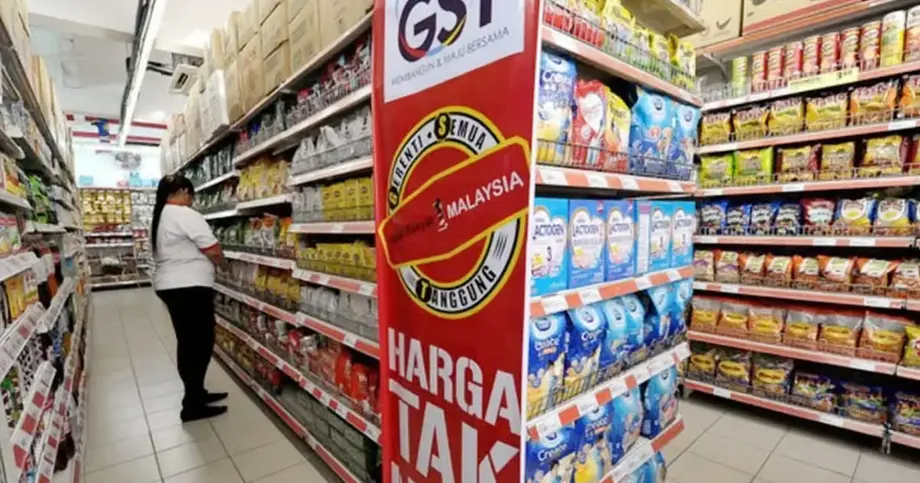
The Goods and Services Tax was originally introduced on April 1, 2015, at a standard rate of 6 percent under the administration of former prime minister Datuk Seri Najib Razak. Following a change in government, the consumption tax was zero-rated on June 1, 2018, and formally abolished on August 31, 2018, before being replaced by the current Sales and Service Tax on September 1, 2018. Proponents of the multi-stage tax argue that it prevents the cascading costs associated with single-stage levies, where tax accumulates at every step from manufacturing to retail.
Business groups have frequently raised concerns about the broader economic impact of taxation changes, pointing to increased operational expenses across various commercial sectors. Commercial rental taxes and expanded service coverage have driven discussions on business survival, a topic explored previously in Malaysian Business Groups Seek SST Delay following administrative adjustments to commercial leases and professional fees.
Rejection of Hybrid Proposals and Rate Discussions
Ahmad Zahid explicitly rejected suggestions for a hybrid system combining the Sales and Service Tax with the consumption tax, maintaining that no country operates such a combined framework. Expanding on the coalition's policy stance during the 2026 Umno General Assembly at the World Trade Centre on Friday, September 11, 2026, he emphasized the party's resolve to reintroduce the tax at a reasonable rate.
Consumer organizations have also weighed in on potential rate structures should the policy take effect. Mohamad Yusrizal Yusoff, president of the Consumers Association of Kedah, suggested that any future reintroduction should begin at a reduced rate of 3 percent to protect lower-income households, alongside full exemptions for basic necessities.
Coalition Unity and Political Strategy Ahead of GE16
Ahmad Zahid used his address to urge Barisan Nasional component parties to resolve internal disputes and strengthen cooperation ahead of the 16th General Election. Reflecting on his eight years leading the coalition, he stressed that unity among member parties is essential for addressing public concerns regarding the cost of living and economic growth.
MCA president Datuk Seri Dr Wee Ka Siong supported the push for the consumption tax during the assembly, arguing that it helps curb the black economy and prevents double taxation. Wee also called for adjustments to individual income tax reliefs, proposing an increase from the current limit to better support taxpayers.
Timeline of Key Tax Events
- April 1, 2015: Goods and Services Tax introduced at a standard rate of 6 percent.
- June 1, 2018: Consumption tax zero-rated following a change in administration.
- August 31, 2018: Goods and Services Tax formally abolished.
- September 1, 2018: Sales and Service Tax introduced to replace the previous framework.
- November 22, 2026: Barisan Nasional leadership pledges immediate reinstatement of the consumption tax if returned to federal power.
The Essentials
- Barisan Nasional pledged to reinstate the consumption tax immediately if the coalition returns to federal power in the next general election.
- Proponents argue the multi-stage tax is more transparent and avoids the cascading costs inherent in the current single-stage framework.
- Prime Minister Anwar Ibrahim previously maintained that household incomes must reach a higher threshold before any broad-based tax review takes place.
- Consumer groups have suggested starting any reintroduced tax at a lower rate of 3 percent with exemptions for basic necessities to protect vulnerable households.